
Assisted Living Compliance Guide: Strategies for Regulatory Success
Assisted Living, Compliance, Regulations
Assisted Living Compliance: What Every Owner Needs to Know to Protect Their License and Grow Successfully
Operating an assisted living community is about far more than filling rooms. Long-term success depends on rigorous assisted living compliance, a clear understanding of assisted living regulations, and a culture of safety and accountability. For owners, protecting your license and reputation requires a proactive, system-driven approach to assisted living regulatory compliance that supports both resident well-being and sustainable growth.
Why Assisted Living Compliance Is a Strategic Business Priority
Assisted living compliance is not simply a legal obligation; it is the framework that protects your license, your residents, and your business value. When assisted living facility compliance is strong, you reduce risk, avoid costly citations and penalties, and build trust with families, referral partners, and regulators. When it is weak, even a single incident can trigger investigations, admissions freeze, or license revocation.
Owners who treat assisted living operational compliance as a core business function on par with occupancy, staffing, and financial performance are better positioned to grow successfully. A robust compliance program supports consistent care, predictable operations, and a strong brand reputation in a competitive market.
Imagine this scenario:
An assisted living community has maintained strong occupancy, receives positive feedback from families, and appears to be operating smoothly. Then an unannounced state survey takes place.
During the inspection, surveyors identify several issues that, on their own, seem relatively minor; an expired staff certification, incomplete medication documentation, and emergency drill records that haven't been updated.
None of these findings suggest poor resident care. However, together they paint a picture of inconsistent compliance practices. The facility is required to submit a corrective action plan, leadership spends valuable time responding to deficiencies, and confidence from referral partners and families begins to waver.
Situations like this are more common than many owners realize. In many cases, the challenge isn't a lack of commitment, it's the absence of consistent systems that keep compliance at the center of daily operations.
That's why the most successful assisted living providers don't prepare for compliance only when a survey is expected. They build compliance into the way they operate every day.
Understanding Assisted Living Regulations and State Requirements
Assisted living regulations are primarily driven by assisted living state regulations, which means the rules you must follow vary by jurisdiction. While there are common themes; resident rights, medication management, staffing, infection control, and emergency preparedness, each state defines specific assisted living compliance requirements, documentation expectations, and enforcement processes. Some states regulate assisted living under health departments, others under social services or aging agencies, and some use a combination of authorities.
💡 Pro Tip: Designate one leader to track changes in assisted living state regulations and communicate updates to your entire leadership team at least quarterly.
Because the regulatory landscape is complex and evolving, many owners partner with assisted living compliance consulting firms or industry associations to interpret new rules and translate them into practical operational steps. This type of expert guidance helps ensure that assisted living regulatory compliance is not left to guesswork or outdated practices.
Licensing: The Foundation of Assisted Living Regulatory Compliance
Assisted living licensing compliance is the gateway to operating legally and the benchmark regulators use to determine whether you may continue to operate. Licensure requirements typically address physical plant standards, occupancy limits, staffing ratios, training, governance, and financial stability. Owners must ensure that licensing conditions are understood not just by administrators, but by department leaders who influence day-to-day compliance, such as nursing, maintenance, dietary, and housekeeping.
Common issues that threaten assisted living licensing compliance include expired staff credentials, unreported changes in ownership or leadership, failure to maintain required insurance coverage, and physical environment deficiencies. A structured internal monitoring system supported by a clear assisted living compliance checklist helps catch these problems before they surface during a survey or complaint investigation.
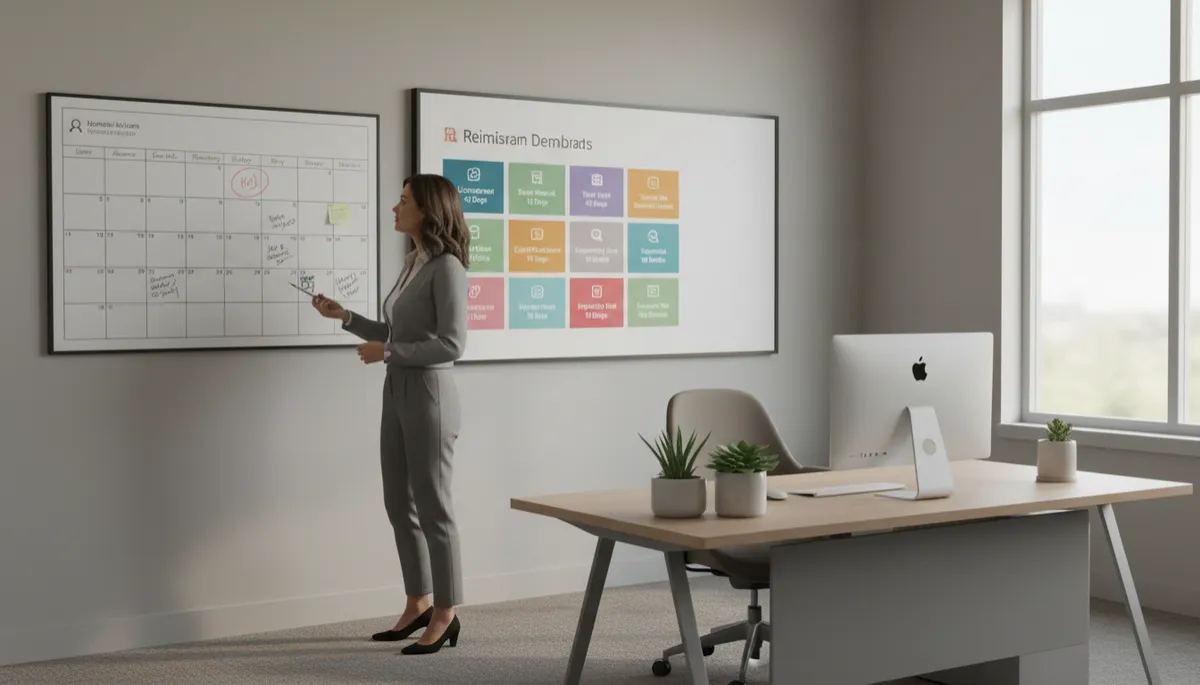
Centralizing licensing deadlines reduces last-minute scrambles and protects your operating status.
Building Strong Assisted Living Policies and Procedures
Effective assisted living policies and procedures translate complex regulations into clear expectations for staff. Policies define the “what” and “why,” while procedures describe the “how” in step-by-step detail. Together, they provide the backbone of assisted living facility compliance and ensure consistent practice across shifts and departments, even when staff turnover occurs.
Resident admission, assessment, and service planning
Medication administration, storage, and documentation
Infection prevention and control, including outbreak response
Incident reporting, falls management, and abuse prevention
Emergency preparedness and evacuation protocols
Owners should ensure policies are reviewed at least annually, aligned with current assisted living state regulations, and accessible to staff in both digital and printed formats. ALNG often recommends conducting policy “tabletop exercises,” where leadership teams walk through real scenarios to test whether written procedures are practical and complete.
Assisted Living Documentation Standards: If It Is Not Documented, It Did Not Happen
Strong assisted living documentation standards are essential for demonstrating compliance, defending your decisions, and ensuring continuity of care. Regulators, payers, and legal counsel all rely on documentation to understand what occurred and whether your team followed assisted living compliance requirements. Incomplete or inconsistent records can create the appearance of non-compliance even when staff acted appropriately.
Key documentation domains typically include resident assessments, service plans, progress notes, incident reports, medication administration records, staff training logs, and quality assurance data. Owners should audit records regularly for timeliness, legibility, accuracy, and alignment with policy. Electronic systems can support assisted living operational compliance, but only when staff are trained to use them consistently and securely.
📌 Key Takeaway: Documentation is your primary evidence of assisted living regulatory compliance. Prioritize training and audits to keep records survey-ready at all times.
The Critical Role of Assisted Living Administrator Responsibilities
While owners set the vision and allocate resources, assisted living administrator responsibilities drive day-to-day compliance outcomes. Administrators serve as the operational link between regulations, policies, staff performance, and resident experience. They are often the primary contact with surveyors and must be able to explain how systems work and how issues are addressed.
Ensuring staff are trained and competent in assisted living policies and procedures
Monitoring quality indicators and leading assisted living quality assurance initiatives
Responding promptly to incidents, complaints, and regulatory inquiries
Maintaining licensing files, contracts, and required reports
Owners should invest in ongoing education, mentoring, and peer networking for administrators. Partnering with organizations such as ALNG can provide access to best practices, tools, and peer forums that strengthen leadership capacity and compliance oversight.

Regular staff training sessions turn written policies into consistent daily practice.
Assisted Living Quality Assurance: Turning Data into Action
Assisted living quality assurance is the engine that drives continuous improvement and long-term compliance. A structured QA program monitors key indicators such as falls, medication errors, weight changes, hospital transfers, and resident satisfaction, and uses that data to identify trends, root causes, and corrective actions. Regulators increasingly expect to see evidence of an active quality program as part of assisted living regulatory compliance.
Owners should ensure that QA activities are documented through meeting minutes, action plans, and follow-up reports. This not only supports assisted living survey readiness but also demonstrates to families and referral partners that your organization is committed to measurable quality and safety outcomes.
Assisted Living Risk Management: Protecting Residents and Your License
Assisted living risk management is the deliberate process of identifying, evaluating, and mitigating events that could harm residents, staff, or your organization. Common risk domains include falls, elopement, medication errors, abuse allegations, infection outbreaks, and environmental hazards. A strong risk management program is a crucial component of assisted living facility compliance and directly supports license protection.
Conduct regular risk assessments across clinical, operational, and physical plant areas
Implement corrective actions with clear accountability and timelines
Review incidents and near-misses to identify patterns and training needs
Many owners engage assisted living compliance consulting partners to conduct independent risk assessments, mock surveys, or targeted reviews after a significant event. External perspectives often reveal blind spots and help prioritize investments that have the greatest impact on safety and compliance.

Routine environmental rounds catch safety risks before they lead to incidents or citations.
Assisted Living Survey Readiness: Being Ready Every Day, Not Just Survey Week
Assisted living survey readiness should be a continuous state, not a last-minute scramble. Regulators may arrive with little or no notice, and your ability to demonstrate consistent assisted living operational compliance depends on what is happening on an ordinary Tuesday, not just after a “cleanup” effort. Surveyors will observe care, review records, interview residents and staff, and assess your physical environment and leadership systems.
Owners can support ongoing survey readiness by conducting internal mock surveys, rotating leaders through different shifts, and using a comprehensive assisted living compliance checklist to verify that critical elements such as emergency supplies, posted notices, and documentation are always up to date. Regular communication with staff about survey expectations helps reduce anxiety and ensures everyone understands their role in demonstrating compliance.
Creating and Using an Assisted Living Compliance Checklist
A well-designed assisted living compliance checklist turns regulations into practical, repeatable tasks. Rather than relying on memory, leaders can use checklists to verify that key requirements are met daily, weekly, monthly, and annually. Checklists should be tailored to your state’s rules and your specific service model, but common categories include:
Licensing and administrator credential renewals
Staff orientation, ongoing training, and competency validations
Resident assessments, care plans, and service delivery documentation
Environment and life safety inspections, including fire drills and equipment checks
Quality assurance meetings, data reviews, and action plan follow-up
ALNG frequently helps communities build customized checklists that integrate regulatory requirements with internal standards. Digital checklist tools can provide reminders, dashboards, and audit trails that strengthen assisted living facility compliance and make it easier to demonstrate your efforts during surveys or investigations.
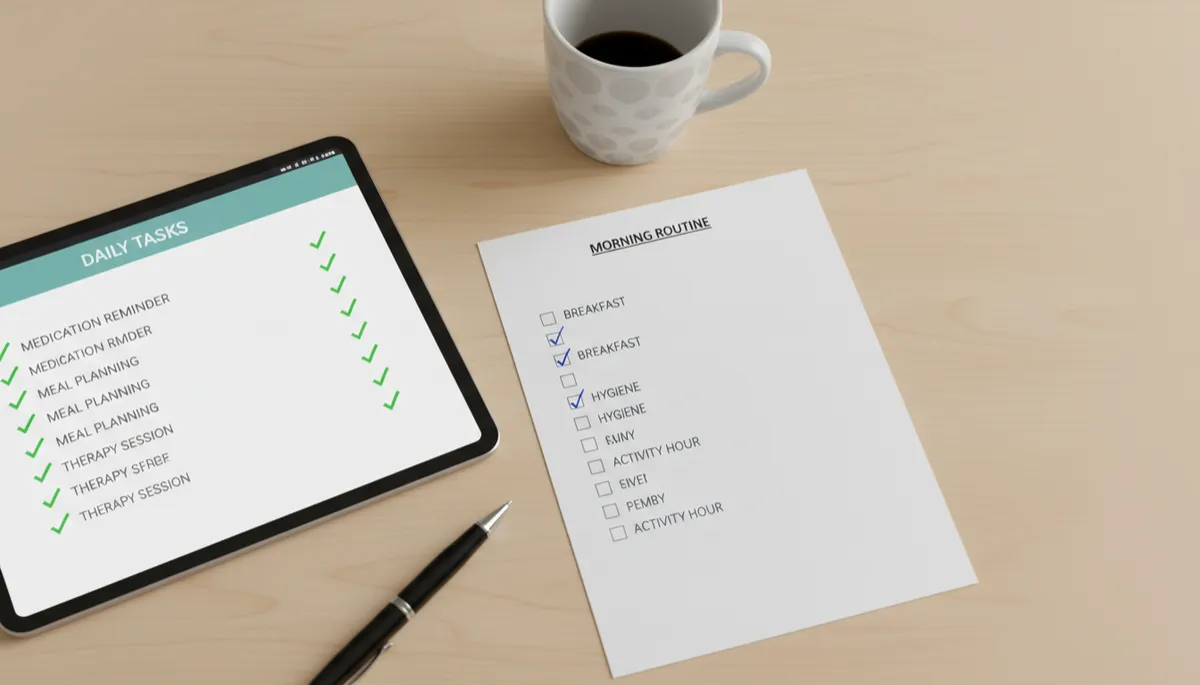
Structured checklists transform complex regulations into manageable daily workflows.
When to Consider Assisted Living Compliance Consulting Support
Even highly capable leadership teams can benefit from external expertise. Assisted living compliance consulting can be particularly valuable in several situations: opening a new community, entering a new state, recovering from citations or enforcement actions, or preparing for ownership transition. Consultants can provide objective assessments, policy and procedure updates, staff training, and hands-on support with corrective action plans.
Organizations like ALNG specialize in translating regulatory language into practical systems and tools that fit your culture and resources. Whether you need a comprehensive program review or targeted assistance with assisted living licensing compliance, outside guidance can accelerate improvements and reduce the risk of costly missteps.
Aligning Assisted Living Operational Compliance with Growth Goals
Compliance and growth are not competing priorities, they are interdependent. As you expand census, add service lines, or acquire additional properties, assisted living operational compliance must scale with you. New programs, such as memory care or higher-acuity services, introduce additional assisted living compliance requirements and risk considerations. Acquisitions may bring inherited deficiencies or cultural differences that require careful integration.
Owners who view compliance as a strategic asset build value over time. Strong assisted living quality assurance data supports payer and referral relationships. Reliable, assisted living documentation standards reduce liability exposure. Demonstrated assisted living survey readiness reassures investors and lenders. In a marketplace where reputation is everything, a visible commitment to assisted living regulatory compliance can differentiate your brand and support premium positioning.
Putting It All Together: A Practical Compliance Roadmap for Owners
Clarify your regulatory framework. Identify all applicable assisted living state regulations, licensing standards, and local ordinances. Maintain a current reference library for leaders.
Strengthen governance and leadership. Define assisted living administrator responsibilities, assign compliance oversight roles, and ensure regular reporting to ownership.
Update policies, procedures, and documentation. Align assisted living policies and procedures with current rules; audit assisted living documentation standards for accuracy and completeness.
Implement quality and risk programs. Formalize assisted living quality assurance and assisted living risk management processes with measurable goals and regular reviews.
Adopt a comprehensive checklist. Use an assisted living compliance checklist to guide daily operations and support continuous assisted living survey readiness.
Leverage expert support when needed. Engage assisted living compliance consulting resources, such as ALNG, for complex challenges or rapid improvement needs.
Conclusion: Compliance as the Cornerstone of Sustainable Success
Assisted living compliance is far more than a checklist of rules. It is a disciplined way of operating that protects residents, supports staff, safeguards your license, and enables long-term growth. By investing in clear assisted living regulations awareness, robust assisted living facility compliance systems, and strong leadership accountability, owners can build communities that are both safe and successful.
Whether you're opening your first assisted living community, preparing for a state survey, recovering from deficiencies, or managing multiple facilities, building a strong compliance program starts with the right systems not last-minute fixes.
At Assisted Living Network Group (ALNG), we help assisted living owners, administrators, and management teams simplify compliance, strengthen operations, and build sustainable systems that support long-term success. From licensing and regulatory guidance to policy development, survey readiness, and operational consulting, our team is committed to helping you navigate every stage with confidence.
Don't wait for a survey, complaint, or citation to expose compliance gaps. Take a proactive approach today.
Ready to strengthen your assisted living compliance program?
Explore our compliance resources and expert insights.
Schedule a consultation with our team.
Learn how ALNG can help you start, license, and grow with confidence.
Because the strongest assisted living communities don't prepare for compliance when problems arise, they build compliance into every day.
