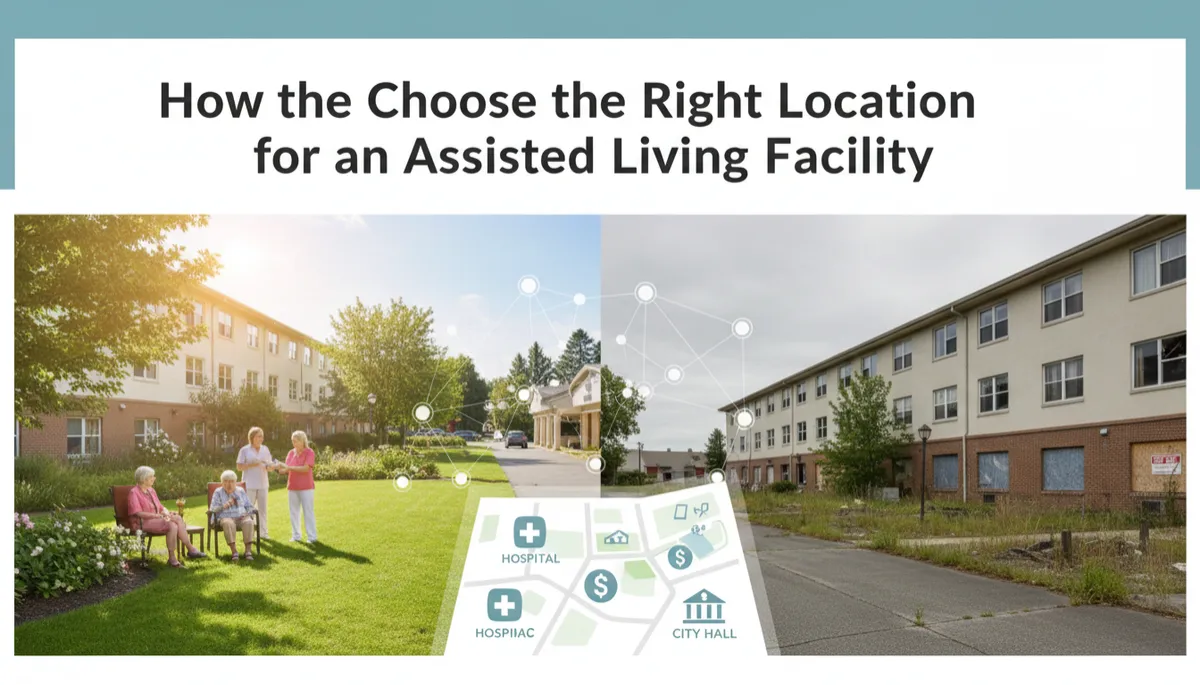
Assisted Living Facility Location: How to Choose the Right One
Senior Care, Assisted Living Location Strategy
How to Choose the Right Location for an Assisted Living Facility
Two assisted living communities open within six months of each other. Both offer beautifully designed suites, warm interiors, and thoughtful amenities. Five years later, one has a waiting list and strong margins. The other struggles with low occupancy, staffing gaps, and constant financial pressure. The difference is not the furniture, the logo, or even the care philosophy. One factor that may help explain the difference is location and how strategically that location was chosen.
For owners, investors, and operators, choosing the right location for an assisted living facility is one of the most consequential decisions you will make. It is not simply about finding an attractive property or a pleasant neighborhood. It is about market alignment, regulatory feasibility, and the long-term viability of your business model. The right site supports occupancy, staffing, resident outcomes, and profitability. The wrong one can limit you from day one.
Why Location Matters in Assisted Living
Assisted living is a location-dependent service business. Your building cannot be moved if demographics shift or regulations tighten. That is why evaluating market demand, understanding demographic trends, and analyzing competition must come before you sign a purchase agreement or long-term lease. A site that looks ideal on paper can quickly become a liability if it is misaligned with the local market or restricted by zoning and licensing requirements.
Location also affects your ability to recruit and retain staff, attract residents, and engage families. Accessibility, proximity to healthcare, neighborhood reputation, and long-term growth prospects all influence whether your assisted living facility becomes the preferred choice in its area or one more option in an oversaturated market. At Assisted Living Network Group (ALNG), we see repeatedly that strong projects are grounded in disciplined location planning, not just a good building opportunity.
Understanding Your Target Residents First
Before you can judge whether a location is right, you must be clear about who you intend to serve. “Seniors” is not a single, uniform group. An assisted living facility designed for middle-income, largely independent residents has different location needs than a memory care community or a high-acuity assisted living setting that borders on skilled nursing.
Define age range and acuity: Are you targeting adults 75+ with moderate support needs, or residents with advanced dementia or complex medical conditions?
Clarify income and payer mix: Will your community be primarily private-pay, Medicaid-supported, or a blend? This will shape which neighborhoods and markets are financially viable.
Consider cultural and lifestyle preferences: Faith communities, language, and cultural norms can influence where families look for assisted living and which locations feel “right.”
When you understand your target residents and their families, you can reverse-engineer the ideal geography. For example, an upscale assisted living facility may need to be within or adjacent to higher-income zip codes. A community serving working-class families may perform better in more affordable areas with strong Medicaid infrastructure and public transportation. Every subsequent step — from researching local demand to assessing financial implications — flows from this clarity about whom you serve.
Evaluating Market Demand and Demographic Trends
The foundation of sound location planning is a rigorous assessment of market demand. This goes beyond simply counting how many seniors live within a certain radius. You must understand both today’s needs and tomorrow’s demographic trends.

Detailed demographic analysis reveals whether a location can sustain long-term occupancy.
Key questions when researching local demand include:
How many individuals in your target age group (for example, 75+) live within your primary and secondary market areas?
What is the projected growth of that population over the next 5, 10, and 15 years? Are you entering a market that is aging in place or one where younger families are replacing older residents?
What proportion of older adults live alone, have disabilities, or are likely to need supportive housing based on current health statistics?
Demographic data can be sourced from census information, local planning departments, hospital community health assessments, and specialized senior housing market reports. A thorough assisted living market evaluation should also consider income levels, homeownership rates, and migration patterns.
Competition Analysis: Who Else Is Serving This Market?
Understanding competition is just as important as understanding demand. Even a market with a large senior population can be challenging if it is saturated with similar offerings. A structured competition analysis helps you determine whether there is room for your concept and how you can differentiate.
Identify existing communities: Map all assisted living, memory care, and related senior housing within your target radius. Note their size, pricing, and care levels.
Evaluate occupancy and reputation: High occupancy and strong reviews may indicate robust demand, but also stiff competition. Chronic vacancies may signal oversupply or mismatched product.
Identify service gaps: Are there underserved niches, such as culturally specific communities, memory care, or higher-acuity assisted living, that your facility could address?
A thoughtful competition analysis does not automatically rule out markets with established providers. Instead, it clarifies where your assisted living facility can add distinct value — or where a seemingly attractive location may be too crowded to support another entrant at sustainable rates.
Accessibility and Family Convenience
Assisted living decisions are rarely made by residents alone. Adult children and spouses play a central role, and their experience of visiting the community matters. That is why accessibility and family accessibility should be central to your location criteria.
Road access: Is the facility easy to reach from major roads or highways without navigating confusing side streets or industrial zones?
Travel time: How long will it take family members to visit from surrounding suburbs or city neighborhoods? Shorter, predictable travel times support more frequent visits and stronger satisfaction.
Public transportation: In urban and some suburban markets, proximity to bus or rail lines can be crucial for staff, residents, and families who do not drive.
A location that is technically central but difficult to access during rush hour, or hidden behind commercial traffic, can create ongoing frustration. When Assisted Living Network Group evaluates sites, we often “test drive” the commute at different times of day to understand the real-world experience families and staff will have for years to come.
Proximity to Healthcare and Supportive Services
Another critical factor is proximity to healthcare. Assisted living residents frequently require diagnostic tests, specialist visits, and hospital care. Being close to medical resources improves convenience for families and supports better coordination with healthcare providers.
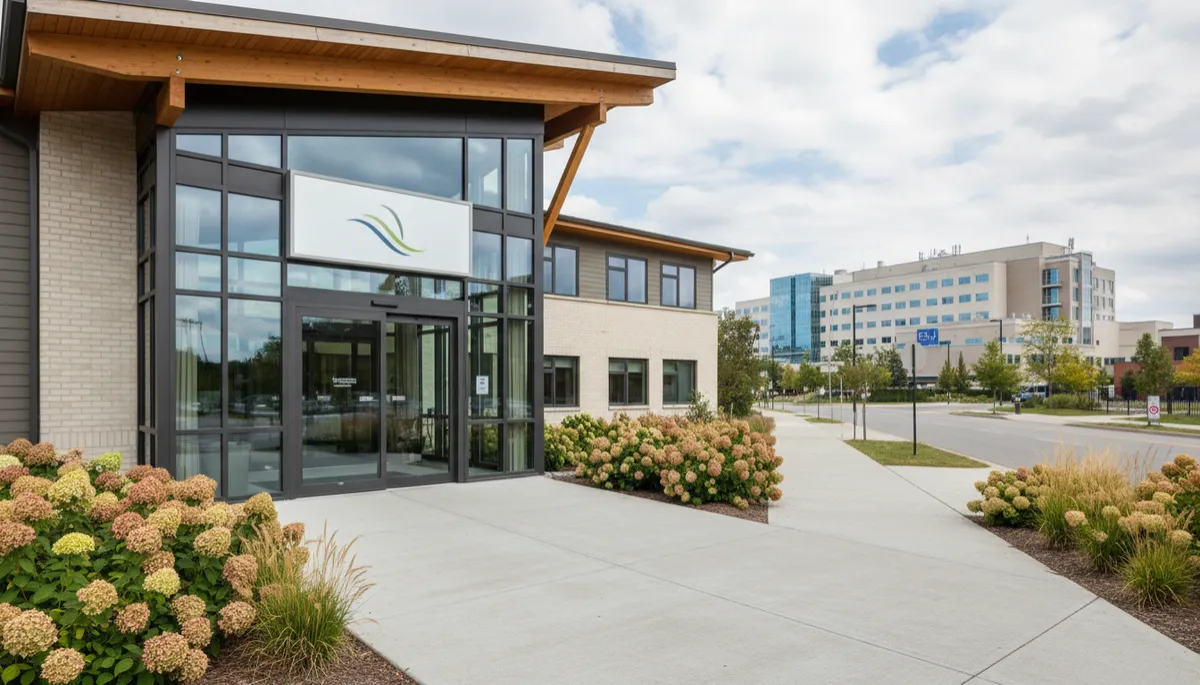
Nearby hospitals and clinics strengthen partnerships and streamline resident care transitions.
Hospitals and emergency care: Short travel times reduce stress during emergencies and enable smoother discharges back to your community.
Primary care and specialists: Clusters of medical offices nearby can facilitate regular visits and on-site provider relationships, which many families value highly.
Pharmacies and therapy services: Accessible pharmacies, rehabilitation centers, and home health agencies support comprehensive, coordinated care.
A location within a recognized medical corridor can also enhance your facility’s credibility. Physicians and discharge planners are more likely to refer to communities they can easily visit and collaborate with, which can strengthen your referral pipeline over time.
Workforce Availability and Staffing Considerations
Even the best building and strongest demand cannot compensate for weak workforce availability. Assisted living is a labor-intensive industry, and your ability to attract and retain caregivers, nurses, dining staff, and managers is directly influenced by your location. Thoughtful workforce considerations must be part of early site selection, not an afterthought once construction is underway.

A location convenient for staff may help reduce commuting challenges and support employee retention.
Labor pool size: Are there enough potential employees within a reasonable commute, including CNAs, home health aides, and hospitality workers?
Wages and cost of living: In high-cost areas, you may need to offer higher wages to compete with hospitals and other employers, affecting your financial implications and pro forma.
Transportation options: Can staff reliably reach the facility for early morning, evening, and overnight shifts, especially if they rely on public transportation?
Facilities located far from population centers or public transit may experience chronic staffing shortages and high turnover, which directly impact resident satisfaction and care quality. Assisted Living Network Group often recommends overlaying labor market data with potential sites to understand whether your staffing model is realistic for that location.
Zoning, Licensing, and Regulatory Feasibility
A property can appear suitable for assisted living while still presenting regulatory or land-use challenges.
That is why zoning, licensing, and other applicable requirements should be investigated early.
Zoning and Land Use
Determine whether the intended assisted living use is permitted at the proposed location.
Depending on the jurisdiction, additional approvals or land-use procedures may apply.
State Licensing Considerations
Investigate the requirements associated with your intended facility model, license type, services, and resident population.
Building and Fire Safety
Consider whether the property may need modifications or assessments related to applicable building, occupancy, fire, and life-safety requirements.
Accessibility
Evaluate applicable accessibility requirements and the suitability of the building for the intended resident population.
Resident Capacity
Investigate whether the proposed building and facility model can support the intended number of residents under applicable requirements.
Local Approvals
Determine what permits, reviews, inspections, or other approvals may be necessary.
Important: Assisted living licensing, zoning, building, fire safety, accessibility, and operational requirements vary by state, local jurisdiction, license type, facility model, building, services, and resident population.
Not every jurisdiction uses the same staffing standards, building specifications, approval processes, or facility classifications.
Entrepreneurs should verify current requirements with the appropriate state licensing authority, local zoning or planning department, building department, fire authority, and qualified professionals before making significant property commitments.
A property being available for purchase or lease does not establish that it can legally support the intended assisted living operation.
Financial Implications of Location Choice
Every location decision has financial implications.
Property costs are important, but they represent only one part of the overall financial picture.
A lower-cost location may seem attractive initially, yet create higher transportation expenses, staffing challenges, renovation requirements, or other operating costs.
Similarly, a more expensive location does not automatically provide better financial performance.
Key Financial Factors
Property Acquisition or Lease Costs
Compare purchase prices, rent, deposits, and related expenses.
Development and Renovation
Evaluate potential improvements, construction requirements, professional services, and permitting costs.
Operating Expenses
Consider utilities, insurance, maintenance, property taxes where applicable, and other recurring expenses.
Staffing Costs
Investigate local wages, recruitment challenges, and the workforce required for the intended operating model.
Revenue Assumptions
Assess whether proposed rates align with the target market and relevant payment arrangements.
Occupancy Assumptions
Develop reasonable occupancy scenarios rather than assuming the facility will fill immediately.
Working Capital
Consider the resources needed to support operations while occupancy develops.
Compare Different Financial Scenarios
Suppose you are evaluating two potential locations.
Location A has a lower property cost but higher expected staffing expenses and uncertain market demand.
Location B has a higher property cost but potentially stronger demand and a more accessible workforce.
The better choice cannot be determined from property cost alone.
Both options should be evaluated using realistic financial assumptions, including possible delays, slower occupancy growth, and unexpected expenses.
The goal is to understand whether the location supports a financially sustainable assisted living business, not simply whether the property is affordable.
Planning to Open an Assisted Living Facility?
Choosing the right location involves more than identifying an available property.
Understanding local demand, evaluating competition, considering licensing requirements, and developing a realistic startup strategy are all important parts of the planning process.
Assisted Living Network Group (ALNG) provides educational resources and consulting support to help aspiring assisted living entrepreneurs better understand the decisions involved in starting and operating a facility.
Explore ALNG's startup and consulting resources as you prepare for your next steps.
Neighborhood Environment and Resident Experience
The neighborhood surrounding an assisted living facility can influence how residents, families, employees, and visitors experience the community.
An attractive building may still be affected by challenging road access, excessive noise, limited transportation, or other surrounding conditions.
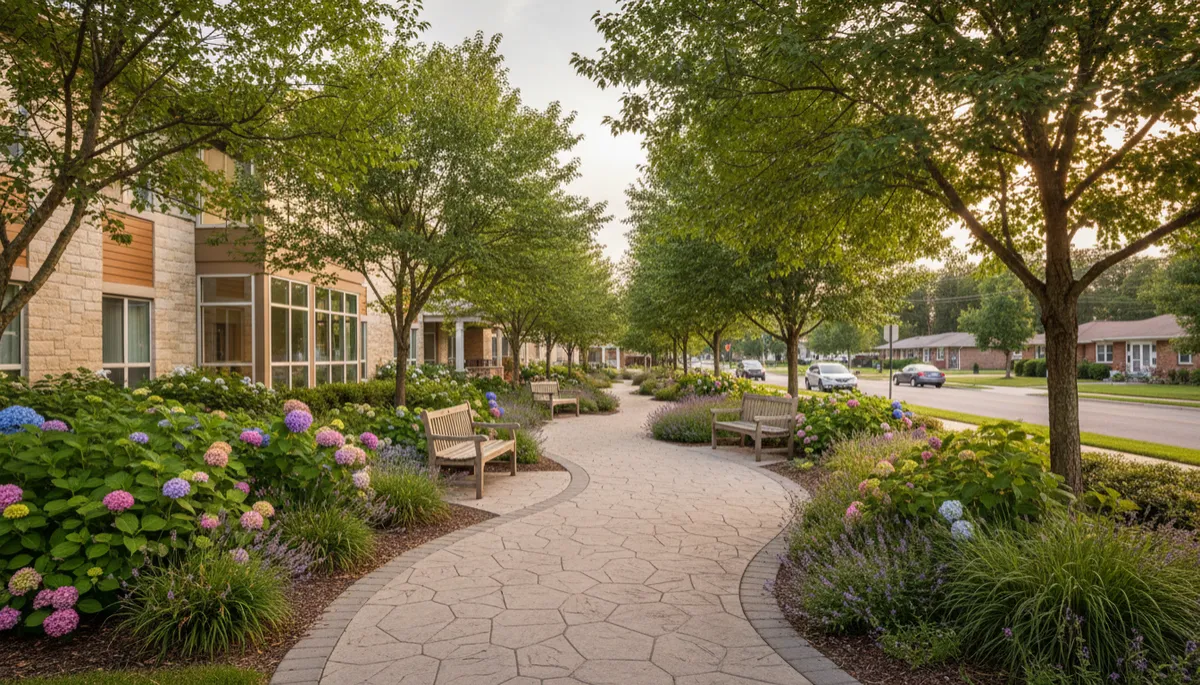
A calm, well-kept neighborhood enhances resident comfort and family confidence.
Factors to Evaluate
Safety
Review available information about neighborhood safety and consider appropriate security and access arrangements.
Noise and Traffic
Investigate nearby traffic patterns, industrial activity, and other potential disturbances.
Community Amenities
Consider proximity to parks, community centers, religious institutions, shopping, and other resources relevant to the intended resident population.
Accessibility
Evaluate sidewalks, transportation access, and the surrounding physical environment where relevant.
Neighborhood Conditions
Consider maintenance, lighting, access, and overall suitability for the intended facility model.
Resident Comfort
Assess whether the location can support a comfortable and appropriate living environment.
The goal is not simply to select the most visually appealing neighborhood.
It is to evaluate whether the surrounding environment supports the needs, preferences, and practical circumstances of the people who will live and work at the facility.
Planning for Long-Term Growth and Market Shifts
An assisted living facility location should be evaluated with both present and future conditions in mind.
Market conditions can change over time.
Population trends, competing developments, local economic conditions, workforce availability, and transportation infrastructure may influence the long-term suitability of a location.
Consider Future Development
Review available local planning information.
Are new residential neighborhoods, healthcare facilities, or transportation improvements being considered?
Evaluate Potential Competition
Are additional assisted living or senior housing communities planned?
Monitor Demographic Trends
Is the target population expected to grow, remain stable, or decline?
Consider Operational Flexibility
Could the location accommodate future changes in services or capacity, subject to applicable requirements and approvals?
Review Long-Term Costs
Could property expenses, labor costs, or other operating conditions materially affect the business?
Future projections are uncertain and should not be treated as guarantees.
However, evaluating reasonable scenarios can help entrepreneurs understand potential opportunities and risks.
A location should be selected for more than its immediate appeal. It should also fit the facility's longer-term operating strategy.
Common Mistakes to Avoid When Choosing an Assisted Living Facility Location
Even promising assisted living projects can face challenges when location decisions are based primarily on assumptions or convenience.
Here are eight common mistakes to avoid.
1. Falling in Love with a Building Before Evaluating the Market
A beautiful property may seem perfect, but its location may not support the intended facility model.
What to Do Instead: Evaluate market demand, competition, workforce availability, accessibility, and regulatory feasibility before committing.
2. Underestimating Competition
Assuming your facility will attract residents simply because it offers quality services can be risky.
What to Do Instead: Conduct a structured competition analysis and identify how your proposed community will serve its target market.
3. Ignoring Workforce Availability
A location may offer promising resident demand but limited access to qualified employees.
What to Do Instead: Investigate the local labor market, wage expectations, transportation, and competing employers.
4. Skipping Early Regulatory Review
Discovering zoning or licensing limitations after purchasing or leasing a property can create significant financial and operational challenges.
What to Do Instead: Investigate applicable requirements with the appropriate authorities and professionals before making major commitments.
5. Assuming a Large Senior Population Guarantees Demand
A high concentration of older adults does not automatically establish demand for your specific assisted living services.
What to Do Instead: Evaluate affordability, care needs, competition, payment arrangements, and other market conditions alongside population data.
6. Overlooking Family Accessibility
A location that is difficult for families to reach may create additional challenges for visitation and engagement.
What to Do Instead: Evaluate travel times, traffic, parking, and transportation access from relevant surrounding communities.
7. Underestimating Local Operating Costs
Lower property prices can be offset by higher staffing, transportation, insurance, maintenance, or other expenses.
What to Do Instead: Develop a financial plan that considers both startup and ongoing operating costs.
8. Ignoring Future Market Changes
A location that appears attractive today may face new competition, changing demographics, or evolving economic conditions.
What to Do Instead: Review available development plans, demographic projections, workforce trends, and other long-term market indicators.
Avoiding these mistakes requires a structured process and a willingness to investigate assumptions before making major financial commitments.
A Practical Assisted Living Facility Location Evaluation Checklist
Use this checklist as a starting point when comparing potential assisted living locations.
1. Market Demand and Demographics
Defined target resident population
Evaluated relevant demographic trends
Investigated local demand for the intended services
Reviewed income and affordability considerations
Considered future population changes
2. Competition and Positioning
Identified competing assisted living communities
Compared services and pricing
Reviewed available market information
Investigated planned new developments
Identified potential differentiation opportunities
3. Accessibility and Family Convenience
Evaluated road access
Considered family travel times
Reviewed traffic patterns
Investigated parking availability
Considered public transportation where relevant
4. Healthcare and Community Resources
Evaluated access to hospitals and emergency services
Identified relevant healthcare providers
Considered pharmacy and rehabilitation access
Reviewed transportation options
Identified relevant community resources
5. Workforce Availability
Investigated the local labor pool
Reviewed wage expectations
Evaluated employee commuting considerations
Identified competing employers
Considered workforce recruitment and retention challenges
6. Zoning, Licensing, and Approvals
Investigated zoning compatibility
Reviewed applicable licensing considerations
Evaluated potential building and fire requirements
Considered accessibility requirements
Identified necessary approvals and professional assessments
7. Financial Feasibility
Compared property-related costs
Estimated startup expenses
Evaluated ongoing operating costs
Developed reasonable revenue and occupancy assumptions
Considered working capital requirements
Evaluated potential financial risks
8. Neighborhood and Long-Term Growth
Evaluated surrounding neighborhood conditions
Considered resident and family experience
Reviewed available development plans
Investigated long-term demographic trends
Considered future operational flexibility
This checklist should be adapted to your intended facility model, jurisdiction, and business goals.
How Assisted Living Consulting Can Support Location Planning
Selecting an assisted living facility location requires careful consideration of market conditions, operational requirements, financial assumptions, and regulatory questions.
Assisted living consulting may help entrepreneurs approach these decisions more systematically.
Depending on the services provided, consulting support may help with:
Clarifying the intended assisted living business model
Developing a structured location-evaluation framework
Identifying important market-research questions
Organizing startup and operational planning assumptions
Considering workforce and accessibility factors
Understanding questions to raise with appropriate regulatory authorities
Connecting location decisions to broader business planning
Identifying areas where specialized professional advice may be necessary
Consulting does not replace the role of qualified attorneys, accountants, architects, engineers, real estate professionals, financial advisers, licensing authorities, zoning officials, or other relevant specialists.
The objective is to help entrepreneurs approach location decisions with greater organization, clarity, and preparation.
Moving From Opportunity to Informed Choice
Two assisted living communities can have similar designs, staffing models, and marketing budgets yet experience very different outcomes.
Location may be one important factor—but successful operations also depend on leadership, financial management, staffing, resident experience, and other business considerations.
When selecting an assisted living facility location, entrepreneurs should carefully evaluate:
Market demand
Demographic trends
Competition
Family accessibility
Healthcare access
Workforce availability
Zoning and licensing considerations
Financial feasibility
Neighborhood suitability
Long-term market conditions
The right assisted living facility location is more than a piece of real estate.
It is a place where resident needs, market conditions, operational requirements, regulatory feasibility, and financial planning can align.
Partner With Assisted Living Network Group
Choosing the right location is an important part of building a strong foundation for an assisted living business.
Assisted Living Network Group (ALNG) supports aspiring and existing assisted living professionals through practical education and consulting related to startup planning, licensing preparation, operational systems, compliance considerations, and business development.
Whether you are exploring your first assisted living facility or considering future expansion, ALNG's educational resources and consulting support can help you better understand important planning considerations and prepare for the decisions ahead.
Explore Assisted Living Network Group's startup and consulting resources to support your assisted living business journey.
Educational Disclaimer
This article is provided for general educational and informational purposes only and does not constitute legal, financial, real estate, zoning, licensing, regulatory, architectural, engineering, or compliance advice. Assisted living licensing, zoning, property, building, accessibility, and operational requirements vary by state and local jurisdiction, license type, facility model, services, building, and resident population and may change over time.
Readers should verify current requirements with the appropriate state and local authorities and consult qualified legal, financial, real estate, architectural, engineering, regulatory, and other professionals regarding their specific circumstances. Assisted Living Network Group (ALNG) and its consulting services do not guarantee property approval, zoning approval, licensing, occupancy, profitability, or regulatory compliance.
