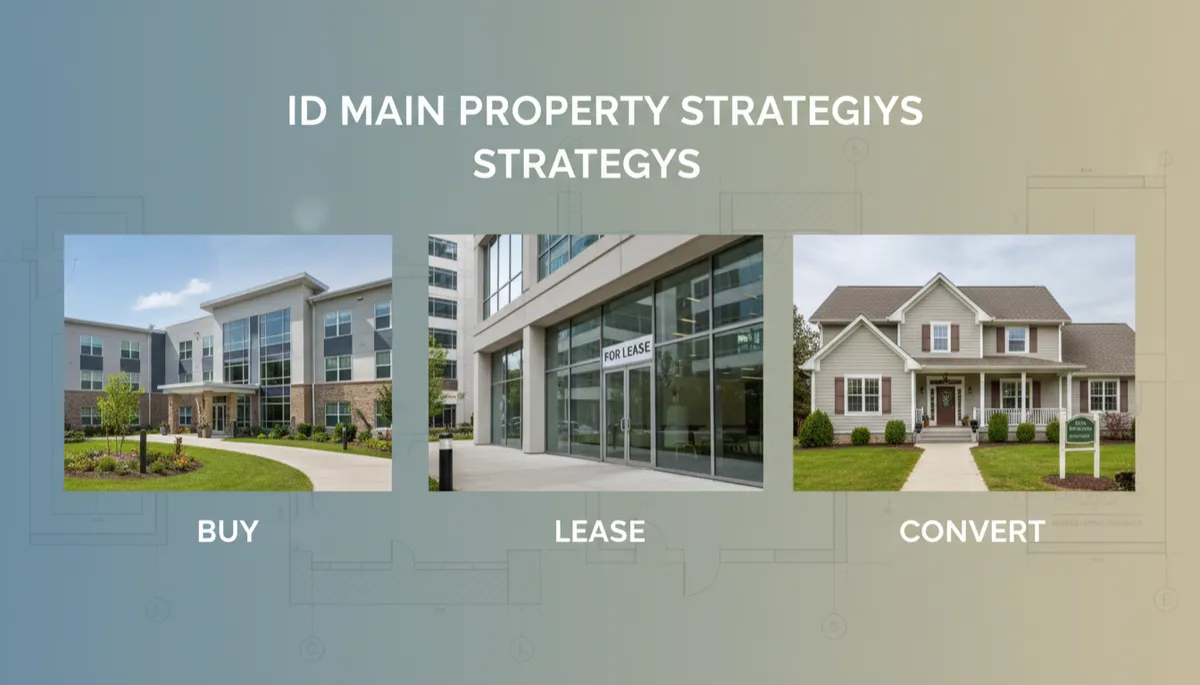
Assisted Living Property: Should You Buy, Lease, or Convert?
Assisted Living, Real Estate Strategy, Property Decisions
Should You Buy, Lease, or Convert a Property for Assisted Living?
You can find a beautiful property, negotiate what appears to be a great price, and still discover that the building does not work for the assisted living facility you plan to operate.
That is why one of the most important decisions in an assisted living startup happens long before the first resident moves in: choosing the right property and the right property strategy.
Should you buy? Lease? Convert an existing home or another type of building?
There is no single answer that works for every assisted living entrepreneur. Each option comes with different financial commitments, operational considerations, property limitations, and potential licensing and regulatory implications.
Before you purchase a property, sign a long-term lease, or begin renovations, there is an even more important question to answer:
Can this property actually support the assisted living operation you intend to build?
Understanding that question first can help you evaluate your options more carefully and avoid committing significant capital before important property, regulatory, and business considerations have been investigated.
Before You Decide: Can the Property Actually Be Used for Assisted Living?
A property may have enough bedrooms, a large kitchen, attractive common areas, or a desirable location. None of those characteristics automatically means it is appropriate or permitted for your intended assisted living use.
Property feasibility should come before emotional attachment to a building.
Depending on the state, local jurisdiction, license type, resident population, services offered, facility size, and building itself, considerations may include:
State assisted living licensing requirements
Local zoning and land-use requirements
Building and occupancy classifications
Fire and life-safety requirements
Accessibility requirements
Resident room and bathroom requirements
Common and activity areas
Food preparation and dining considerations
Emergency exits and evacuation considerations
Parking and emergency vehicle access
Electrical, plumbing, HVAC, and other building systems
Intended resident capacity
Specialized requirements for certain resident populations or services
Local permitting and approval processes
Requirements vary considerably across jurisdictions.
A property that works for one assisted living model or in one state or municipality may not work for another.
Before making a significant financial commitment, verify applicable requirements with the appropriate state licensing agency, local planning or zoning authority, building department, fire authority, and other relevant professionals.
The property decision should begin with feasibility not with whether you love the building.
Option 1: Buying an Assisted Living Facility or Property
Purchasing an assisted living property may be attractive to entrepreneurs who want greater long-term control over the physical location and the opportunity to own the underlying real estate.
You might purchase an existing assisted living facility, another commercial property suitable for the intended use, or a property that will require conversion.
Potential Advantages of Buying
Ownership may provide:
Greater control over the property
More flexibility to make approved modifications
Long-term location stability
The opportunity to build equity
Potential real estate appreciation
Reduced exposure to lease-renewal decisions
Greater control over long-term facility planning
For owners who intend to operate for many years, expand a facility where permitted, build a portfolio, or hold real estate as part of their long-term strategy, property ownership may be appealing.
Potential Challenges of Buying
Buying also creates significant responsibilities.
These may include:
Substantial upfront capital requirements
Financing and down-payment considerations
Closing and due-diligence costs
Renovation expenses
Property taxes
Insurance
Major repairs and maintenance
Building-system replacements
Potential code or safety upgrades
Reduced flexibility if the property or market does not perform as expected
Purchasing a property does not eliminate regulatory or operational risk.
You may own the building and still discover that substantial modifications are necessary before it can support your intended assisted living operation.
Questions to Ask Before Buying
Before purchasing, consider:
Is the intended assisted living use permitted at this location?
What type of license and resident capacity are you planning for?
What approvals may be required?
What building modifications may be necessary?
What is the estimated cost of those modifications?
Has the property been evaluated by the appropriate professionals?
Are there structural, accessibility, fire, or building-system concerns?
What is the realistic timeline from acquisition to opening?
How much working capital will remain after acquisition and improvements?
Does owning this property support your long-term business strategy?
Do not evaluate the purchase price in isolation. Evaluate the total project cost.
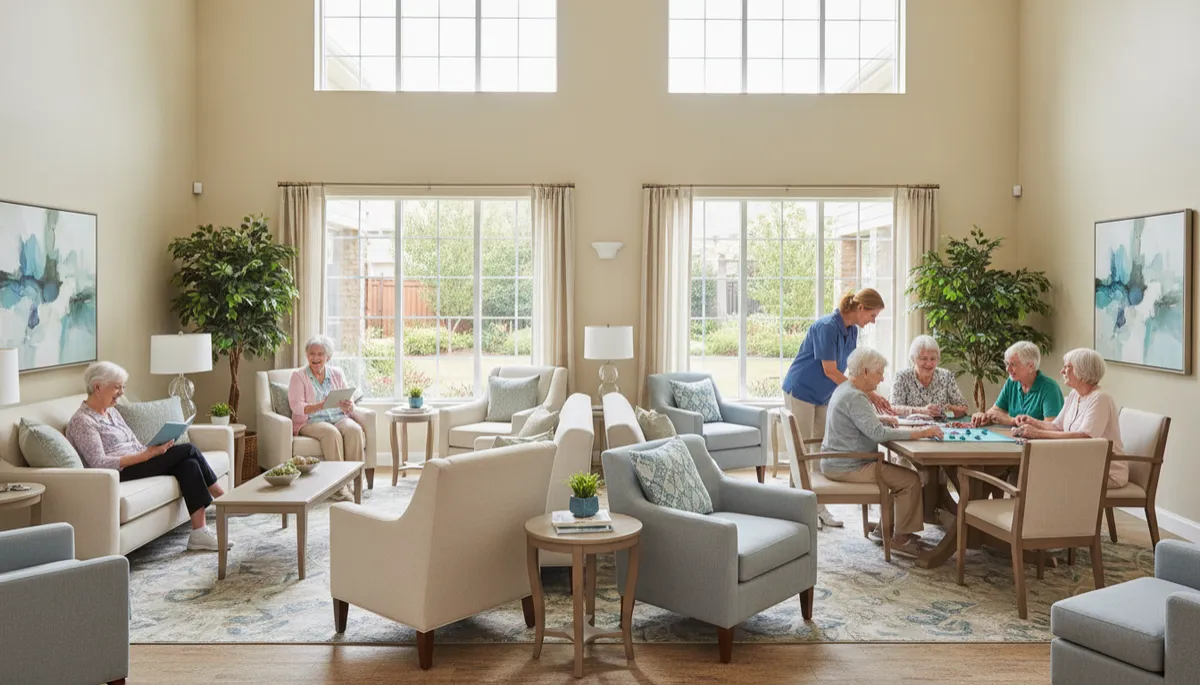
Well‑designed common areas support both resident quality of life and efficient operations.
Option 2: Leasing an Assisted Living Property
Leasing may appeal to entrepreneurs who want to preserve capital or who do not want real estate ownership to be part of their business model.
In some situations, leasing can reduce the amount of capital required for property acquisition and allow more funds to remain available for other startup needs.
Potential Advantages of Leasing
Depending on the property and lease structure, leasing may offer:
Lower initial real estate capital requirements than purchasing
Greater flexibility in some circumstances
More available capital for staffing, equipment, licensing preparation, marketing, and working capital
Access to a property that might be too expensive to purchase
Less capital tied up in real estate
However, lower upfront property cost does not necessarily mean lower total cost or lower risk.
Potential Challenges of Leasing
Assisted living operators should carefully evaluate:
Landlord approval for the intended use
Restrictions on renovations
Responsibility for tenant improvements
Responsibility for repairs and maintenance
Rent increases or escalation clauses
Lease renewal terms
Lease duration
Insurance requirements
Assignment or transfer restrictions
Personal guarantees
Signage restrictions
What happens to improvements when the lease ends
What happens if the property changes ownership
Some lease structures may also place responsibility for expenses such as taxes, insurance, maintenance, or other property costs on the tenant.
Licensing and Property Considerations When Leasing
Depending on the jurisdiction and license type, licensing requirements may apply to the operator, the physical location, or both.
A landlord telling you that assisted living is permitted should not be your only source of verification.
You still need to investigate applicable:
Zoning and land-use requirements
Licensing requirements
Building requirements
Fire and life-safety requirements
Accessibility considerations
Permitting requirements
Resident-capacity considerations
You should also understand whether the lease gives you sufficient authority to make any modifications required for your intended operation.
Questions to Ask Before Signing an Assisted Living Lease
Before signing, ask:
Is the intended use permitted at this location?
Has the landlord approved the intended assisted living use in writing?
What modifications can I make?
Who pays for required improvements?
Who is responsible for major repairs?
Is the lease term long enough to support the investment I will make in the property?
What rent increases should I expect?
What happens if approvals take longer than anticipated?
Can the lease be assigned or transferred?
What happens if the property is sold?
What happens to improvements I paid for when the lease ends?
Does the lease provide the access and control necessary for inspections and facility operations?
Have appropriate professionals review the lease and property before making a long-term commitment.
Option 3: Converting a Home to Assisted Living
Converting a residential home or another existing building into an assisted living facility can be attractive, particularly for entrepreneurs considering smaller residential models where those models are permitted.
But conversion is rarely as simple as purchasing a house, adding a few safety features, and welcoming residents.
The existing structure must be evaluated against the requirements that apply to the intended use.
Potential Advantages of Conversion
Depending on the property and jurisdiction, conversion may offer:
The ability to use an existing structure
A residential environment
An opportunity to customize the property
Potential access to certain smaller assisted living models
Greater design control when the property is owned
Potential Conversion Challenges
Potential modifications or considerations may include:
Zoning or change-of-use approvals
Fire and life-safety systems
Accessibility modifications
Resident room configuration
Bathroom modifications
Alarm or sprinkler systems where required
Electrical upgrades
Plumbing upgrades
HVAC improvements
Kitchen modifications
Emergency exits and egress
Parking
Emergency access
Permits
Architectural or engineering services
Construction delays
Not every property will require every modification listed above. The actual requirements depend on the jurisdiction, building, intended use, facility model, services, and resident population.
The Conversion Cost Trap
A common mistake is evaluating a conversion based primarily on the price of the property.
Imagine two properties.
Property A costs more but requires relatively limited modifications.
Property B appears to be a bargain but needs extensive work before it can support the intended assisted living operation.
The less expensive property can quickly become the more expensive project.
That is why entrepreneurs should evaluate:
Property cost + professional services + required improvements + equipment + permitting + pre-opening expenses + working capital + contingency
not simply the purchase price.
Before buying or leasing a property you intend to convert, understand as much as reasonably possible about the total cost and feasibility of the project.
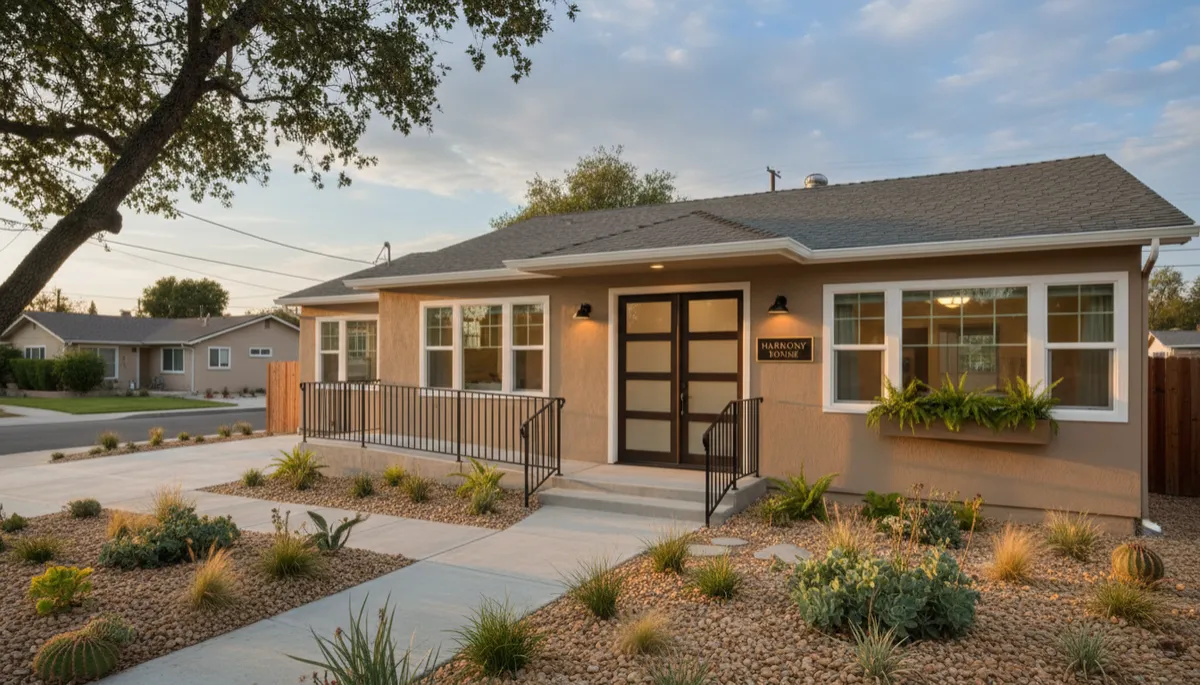
Residential conversions can work well when zoning, codes, and layout are carefully planned.
Buy vs. Lease vs. Convert: How Do They Compare?
Consideration | Buy | Lease | Convert |
|---|---|---|---|
Upfront capital | Generally higher | Potentially lower | Highly variable |
Property control | High | Limited by lease | High if owned; lease-dependent if rented |
Flexibility | Generally lower after purchase | Potentially higher | Depends on ownership and investment |
Ability to modify | Greater control, subject to approvals | Subject to lease and approvals | Often substantial modifications required |
Real estate equity | Potentially yes | No property equity | Potentially yes if property is owned |
Renovation exposure | Property-specific | Depends on property and lease | Can be significant |
Long-term stability | Potentially high | Depends heavily on lease terms | Depends on ownership and property suitability |
Regulatory complexity | Property-specific | Property plus lease considerations | Can be substantial due to conversion/change of use |
Unexpected construction risk | Varies | Varies | Can be significant |
None of these options is universally superior.
The right decision depends on your available capital, market, intended facility model, property condition, financing, lease terms, regulatory environment, risk tolerance, and long-term goals.
The Numbers You Should Understand Before Committing to a Property
One of the biggest property-planning mistakes is focusing on only one number: Purchase price or monthly rent.
Your property is part of a much larger assisted living startup budget.
Depending on your project, costs may include:
Purchase costs or lease deposits
Closing costs where applicable
Rent or mortgage payments
Professional inspections
Architectural or engineering services
Legal and accounting services
Renovations
Permits
Fire and life-safety improvements
Accessibility modifications
Furniture and equipment
Technology
Insurance
Utilities
Property taxes where applicable
Maintenance
Landscaping
Security
Pre-opening staffing
Training
Marketing
Licensing-related expenses
Working capital
Cash reserves
Contingency funds
The question is not simply:
“Can I afford this property?”
A better question is:
“Can I afford to acquire or lease this property, prepare it for my intended operation, open the business, and maintain enough capital to operate while occupancy develops?”
A property that consumes nearly all available startup capital may create financial pressure before the facility has had an opportunity to establish stable operations.
Location Still Matters
A property can be physically suitable for assisted living and still be a poor business location.
Property feasibility and market feasibility are related but they are not the same thing.
Consider factors such as:
Demand for assisted living in the local market
Target resident population
Existing and planned competitors
Local pricing
Availability of qualified workers
Access for residents' families
Proximity to hospitals and healthcare providers
Referral relationships and referral sources
Transportation
Neighborhood characteristics
Local development trends
Visibility and accessibility where relevant
The building must work operationally, but the market must also support the business model.

Align your property strategy with capital, risk tolerance, and long‑term vision before committing.
Property Due Diligence Before You Sign Anything
Whether you plan to buy, lease, or convert, structured due diligence can help you identify potential problems before they become expensive commitments.
1. Clarify Your Intended Facility Model
Define:
Intended license or facility type
Planned resident population
Approximate capacity
Services you expect to provide
Whether specialized services are contemplated
Those decisions may influence which properties are appropriate.
2. Investigate Zoning and Land Use
Determine whether the intended use is permitted and whether additional approvals, hearings, permits, or conditions may apply.
Whenever possible, obtain appropriate documentation rather than relying solely on verbal assurances.
3. Investigate Licensing Considerations
Understand the property-related requirements associated with the license or facility model you are pursuing.
4. Evaluate the Building
Appropriate professionals may need to assess:
Building condition
Fire and life safety
Accessibility
Structural considerations
Electrical systems
Plumbing
HVAC
Potential renovation requirements
Emergency access
5. Evaluate the Market
Investigate:
Local demand
Competition
Pricing
Workforce availability
Referral environment
Target customer characteristics
6. Build a Realistic Property Budget
Estimate the complete cost of acquiring or leasing, improving, furnishing, and preparing the property.
Include contingencies for unexpected expenses and delays.
7. Stress-Test the Financial Plan
Consider what happens if:
Renovations cost more than expected
Approvals take longer
Opening is delayed
Occupancy grows more slowly
Interest or property-related expenses change
Additional improvements become necessary
A financial plan should not depend on everything going perfectly.
Common Assisted Living Property Mistakes to Avoid
1. Falling in Love with the Property Before Checking Feasibility
A beautiful building is not automatically a suitable assisted living property.
What to do instead: Investigate regulatory, operational, physical, and financial feasibility before becoming committed to the property.
2. Signing a Lease Too Early
A favorable rent or enthusiastic landlord can create pressure to move quickly.
What to do instead: Investigate intended use, required modifications, approvals, lease provisions, and professional review before committing.
3. Assuming Residential Zoning Automatically Allows Assisted Living
The fact that a property is a residential home does not by itself establish that your intended assisted living use is permitted.
What to do instead: Verify the applicable local land-use and zoning requirements.
4. Underestimating Renovation Costs
Small changes can become significant construction projects once professional assessments and applicable requirements are considered.
What to do instead: Develop realistic renovation estimates and maintain contingency funds.
5. Ignoring Fire, Life-Safety, or Accessibility Considerations
These issues can materially affect property feasibility and project cost.
What to do instead: Investigate applicable requirements early and involve qualified professionals when appropriate.
6. Looking Only at Purchase Price or Rent
An inexpensive property can become an expensive project.
What to do instead: Calculate the complete project cost, including improvements, professional services, equipment, pre-opening expenses, reserves, and working capital.
7. Choosing a Property Without Evaluating the Market
A suitable building does not guarantee sufficient demand.
What to do instead: Evaluate market conditions alongside property feasibility.
8. Failing to Budget for Delays
Construction, permitting, licensing, financing, and other project stages may not always follow the expected timeline.
What to do instead: Build time and financial contingencies into your plan.
9. Spending Too Much of Your Startup Capital on the Property
Opening the doors is only the beginning.
What to do instead: Protect adequate working capital for staffing, operations, marketing, utilities, supplies, and other expenses while the business develops.
10. Relying Solely on the Seller, Landlord, or Real Estate Agent
These professionals can provide valuable information, but they should not be your only source for licensing, zoning, building, financial, or legal conclusions.
What to do instead: Verify critical information with the appropriate authorities and qualified professionals.

A structured checklist helps you spot red flags before they become expensive problems.
Assisted Living Property Decision Checklist
Before committing to a property, ask:
Have I clearly defined my intended facility model and resident population?
Have I investigated whether the intended use is permitted?
Have I reviewed applicable licensing considerations?
Have zoning and land-use considerations been investigated?
Have building, fire, accessibility, and safety considerations been evaluated appropriately?
Can the property realistically support my intended resident capacity?
Do I understand the renovations or improvements that may be required?
Have I evaluated the condition of major building systems?
Do I understand the purchase or lease terms?
Have I calculated the total project cost—not just the purchase price or rent?
Will sufficient working capital remain after property-related expenses?
Have I evaluated local demand and competition?
Is there an adequate workforce in the market?
Have appropriate professionals reviewed the areas within their expertise?
Have I built potential delays into the timeline and budget?
Does this property support my long-term business strategy?
If several of these questions remain unanswered, you may not yet have enough information to make a well-informed property commitment.
How Assisted Living Consulting Can Support Better Property Planning
Property decisions sit at the intersection of business planning, operations, licensing preparation, finances, and facility development.
Assisted living consulting can help entrepreneurs approach the decision more systematically.
Depending on the scope of services provided, consulting support may help you:
Clarify your intended assisted living business model
Develop a structured property-evaluation framework
Identify operational considerations associated with a potential property
Organize startup assumptions and budget considerations
Identify questions that should be addressed with appropriate regulatory authorities and professionals
Consider how a property fits into the broader startup strategy
Plan operational systems after an appropriate property has been selected
Consulting does not replace the role of attorneys, architects, engineers, accountants, lenders, real estate professionals, licensing authorities, zoning officials, fire authorities, or other qualified professionals.
Instead, effective consulting can help an entrepreneur ask better questions, organize the planning process, and understand how the property decision connects to the larger assisted living business.
Partner With Assisted Living Network Group
Choosing an assisted living property should not begin with:
“Do I like this building?”
It should begin with:
“Does this property support the assisted living business I am actually trying to build?”
Buying may provide greater control and long-term real estate ownership.
Leasing may preserve capital and provide flexibility in certain circumstances.
Converting an existing property may create opportunities to customize a facility but can also introduce significant construction, zoning, and project-planning considerations.
The right decision depends on your circumstances.
Assisted Living Network Group (ALNG) supports assisted living entrepreneurs and professionals with practical education and consulting related to startup planning, licensing preparation, operational systems, policies and procedures, compliance preparation, survey readiness, and business and operational planning.
If you are evaluating an assisted living property or developing your startup strategy, explore ALNG's resources and consulting support to help you approach your next steps with greater clarity and preparation.
Educational Disclaimer
This article is provided for general educational and informational purposes only and does not constitute legal, zoning, real estate, financial, architectural, engineering, licensing, regulatory, or compliance advice. Assisted living property, licensing, zoning, building, fire, accessibility, and operational requirements vary by state and local jurisdiction, license type, building, services, and facility model and may change over time.
Readers should verify current requirements with the appropriate state and local authorities and consult qualified legal, financial, real estate, architectural, engineering, regulatory, and other professionals regarding their specific circumstances. Assisted Living Network Group (ALNG) and its assisted living consulting services do not guarantee property approval, zoning approval, licensing, financing, survey outcomes, profitability, or regulatory compliance.
